
After posting last week’s blog I was taken to task for admiring “the lovely fresh new growth of the deadly Hemlock”, and featured a photo of it. Jillian, who is heavily involved in the Bury Water Meadows Group, a charity that is doing sterling conservation work in restoring and conserving the rivers Linnet and Lark and their surrounds in Bury St Edmunds, took exception to my description, asking how I could use the words ‘lovely’ and ‘Hemlock’ in the same sentence? The plant is, apparently, the scourge of her conservation group, and she and her colleagues spend time and effort to carefully remove it from the environment that they are protecting.
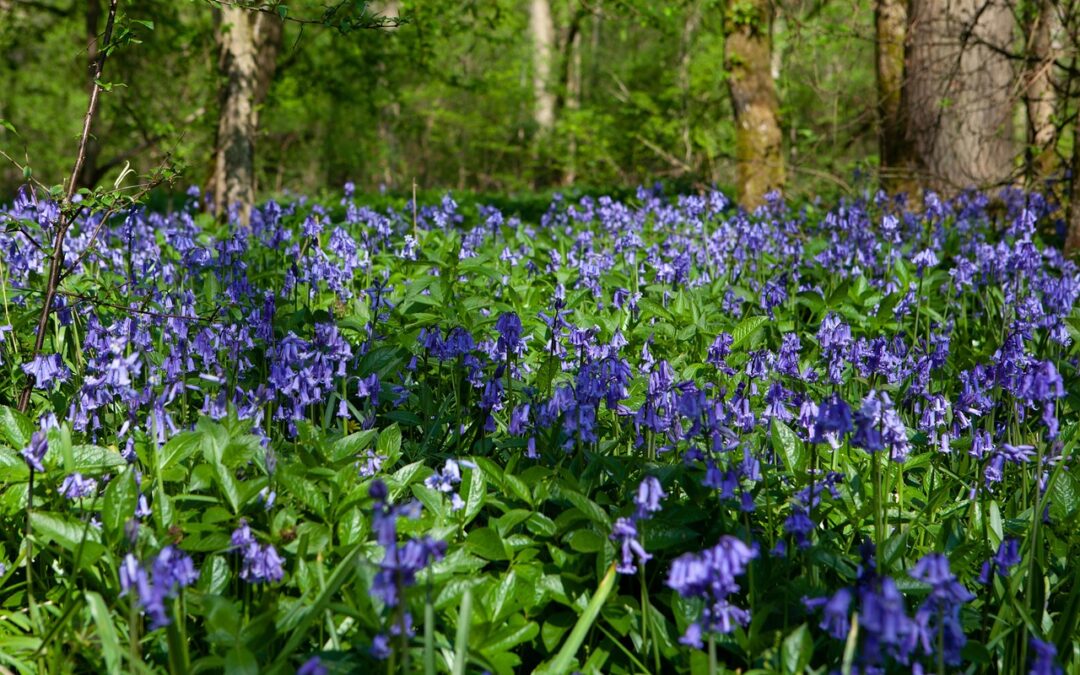
I don’t deny that Hemlock is highly toxic (ask Socrates), as even small amounts consumed by humans or animals are likely to prove fatal, causing respiratory failure – all parts of the plants are poisonous. However, it is by no means the only toxic plant to be found commonly in the countryside, others include the magnificent Yew, Foxgloves, Giant Hogweed, Deadly Nightshade, Monkshood, Bluebells, Lily of the Valley, and in many a garden – Laburnum, Colchicums (autumn crocus) and Rhododendrons, to name a few. Am I not to admire these plants for their beauty because of their toxicity? Well I think that I will continue to do so (though I am only a grudging admirer of the blousy and invasive Rhododendron). What would a churchyard be without its sentinel Yews? Or a wooded glade without bluebells or foxgloves? Having said that, I understand the concerns of the Bury Water Meadows Group and others, but I wouldn’t want to see the last Hemlock plant disappear. To see the work of the aforementioned group please take a look at www.burywatermeadowsgroup.org.uk you can even volunteer to help out, just don’t admire the Hemlock because Jillian might make you wash your mouth out!
What IS going on with the weather? It has been absolutely foul today, which seemed like a kick in the teeth after a glorious Saturday. I now need a couple of weeks of yesterday’s conditions before I can even think about getting onto the land, and whilst it’s only mid-February the time will soon run away and it will be a case of trying to catch up. Meanwhile the tomato seeds sown last Monday have germinated and are now out of the propagator and are on the bench in the sunken greenhouse. It has meant that the propane greenhouse heater has been fired up to maintain a safe temperature for the tender seedlings. Another round of seed sowing will commence tomorrow to keep the propagator filled.
It turned out that we didn’t need to worry about the wounded Dragon last week, but yesterday a wounded Braveheart was quite a different matter! It was very disappointing, particularly as for a birthday treat I took Jennifer to the pub to watch the match, so the performance and result tipped the scales very much towards maximum grumpiness for the rest of the evening – me not her. Next up it’s the bruised Shamrocks, who knows what to expect?
I had a great encounter with a Barn Owl on Friday. I had just delivered to a customer near Hepworth and was proceeding down the drive towards the road when I spotted the owl perched on a paddock rail on my left. As I approached it alighted and flew diagonally to the rail alongside the road. I pulled out and slowed down to a crawl as I approached the bird, hoping to steal a snap of it on my phone. Predictably it took off just as I raised the camera, and off it flew to the other side of the paddock and landed once again on the fence.
I’m giving the cherry vine tomatoes another go this week. Spring greens, broccoli, and Brussels sprouts, Celery, leeks, parsnips, carrots, swede, beetroot, sweet potatoes and red cabbage. The lemons and blood oranges were smaller than the previous week, so the price of both is lower this week. Apples are Blaze again.
I’ve been side tracked by the winter Olympics, so this has taken far too much time, I’m going to leave it there for now. I hope that you have a good week.
Phil
I need to clear my name and correct a misunderstanding which I didn’t convey in my previous comment! it’s not the toxicity we are worried about. It’s hemlock’s ability to totally obliterate every other living plant in its wake! nothing else seems to grow where there is a large stand of it. We love many toxic plants but they don’t take over like hemlock does. And we do not intend to eradicate them entirely, they are a native plant and have a place in our countryside. although large stands of them smell of mouse pee! Indeed, we do not have the volunteer resources to eradicate them, so they are safe, should you want to come and admire the forests on the Lark Path!
I didn’t mention that I am very grateful to you for the mention however nuanced it is! We work very hard in those Watermeadows and many admire our work. Some question our actions too, as they don’t like us cutting down trees. But we are only doing the non-native white poplars which dominate Ram meadow. We need to introduce diversity so that the creatures have berries to eat and larval food plants for their young!